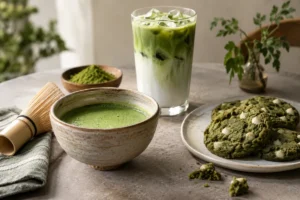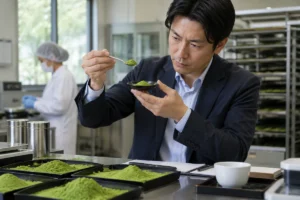
Struggling to source matcha for your business because every supplier claims theirs is the "best"? You're likely told to look for a vibrant green, but this advice can be dangerously oversimplified. Relying on this one rule can lead to costly procurement mistakes, like overpaying for a delicate grade that gets lost in your final product. The key to smart sourcing lies in understanding how matcha color directly relates to your specific business application.
The importance of matcha color is a critical indicator of its grade, harvest time, and potential flavor profile. A vibrant, electric green typically signals a high-quality ceremonial grade rich in umami1, ideal for pure tea. However, the "best" color is relative to the end-use; for lattes, a robust green that holds up in milk is superior, while for baking, color stability under heat is the most important factor.
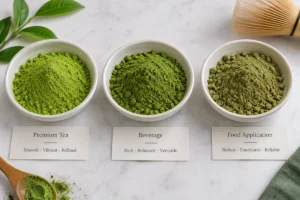
Now that you know the "greenest" isn't always the best, how do you decode the various shades to make the right choice? Let's dive deeper into what color tells you about matcha and how you can evaluate it for your specific product line, whether it's for a teacup, a latte, or a cookie.
What Does Matcha Color Reveal About Its Grade?
You're evaluating suppliers, and you see a spectrum of green powders, from an almost glowing neon green to a dull, yellowish olive. How can you decipher these shades to avoid purchasing the wrong grade and ensure your product succeeds? The color is one of your most reliable first clues to the matcha's grade and, therefore, its intended use.
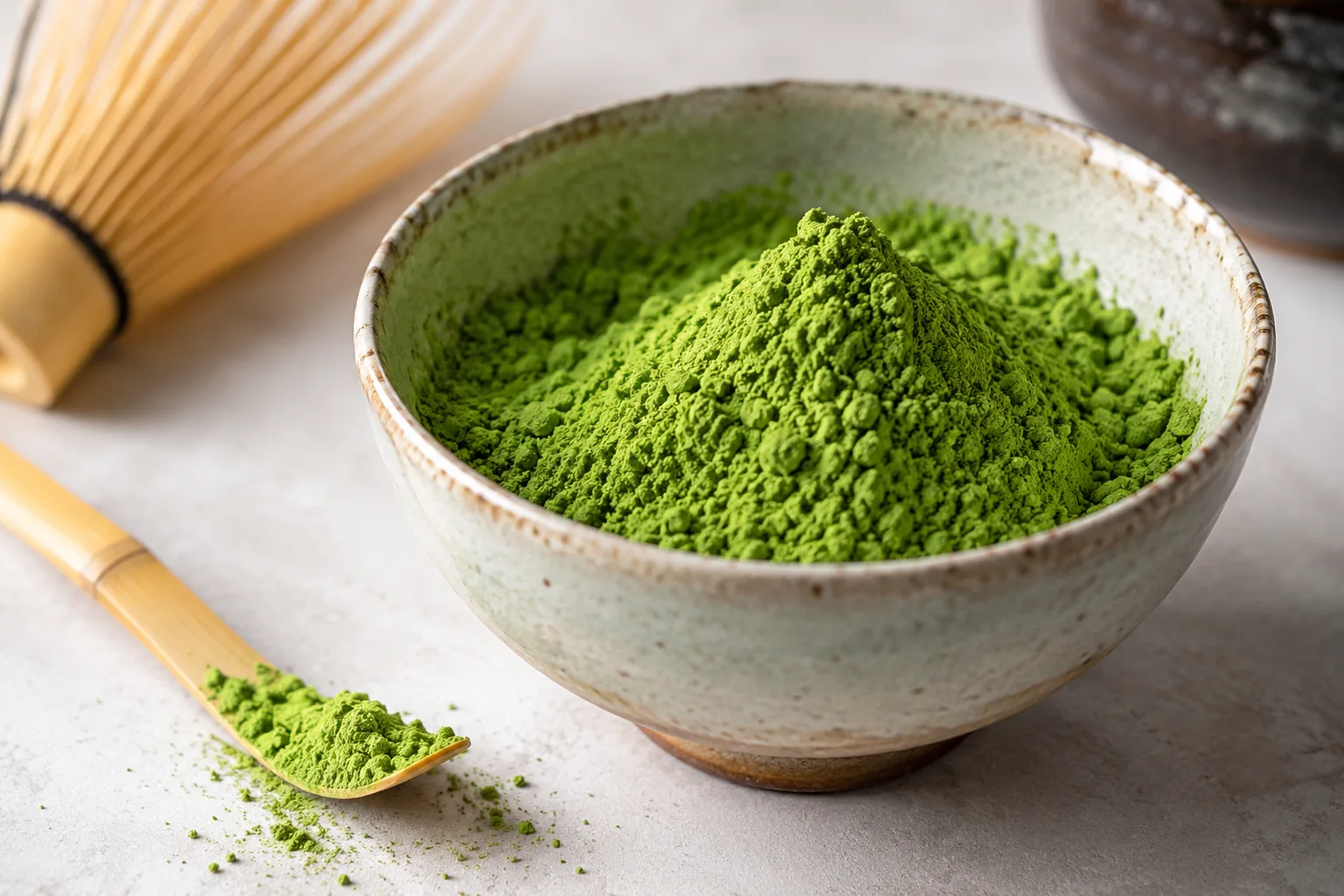
A vibrant, deep green usually signifies a high-grade ceremonial matcha. This color comes from first-harvest, shade-grown leaves packed with chlorophyll2. Conversely, a duller, more olive or yellowish-green often indicates a culinary grade made from later-harvest leaves with more sun exposure, which gives it a bolder, more astringent flavor perfect for baking.
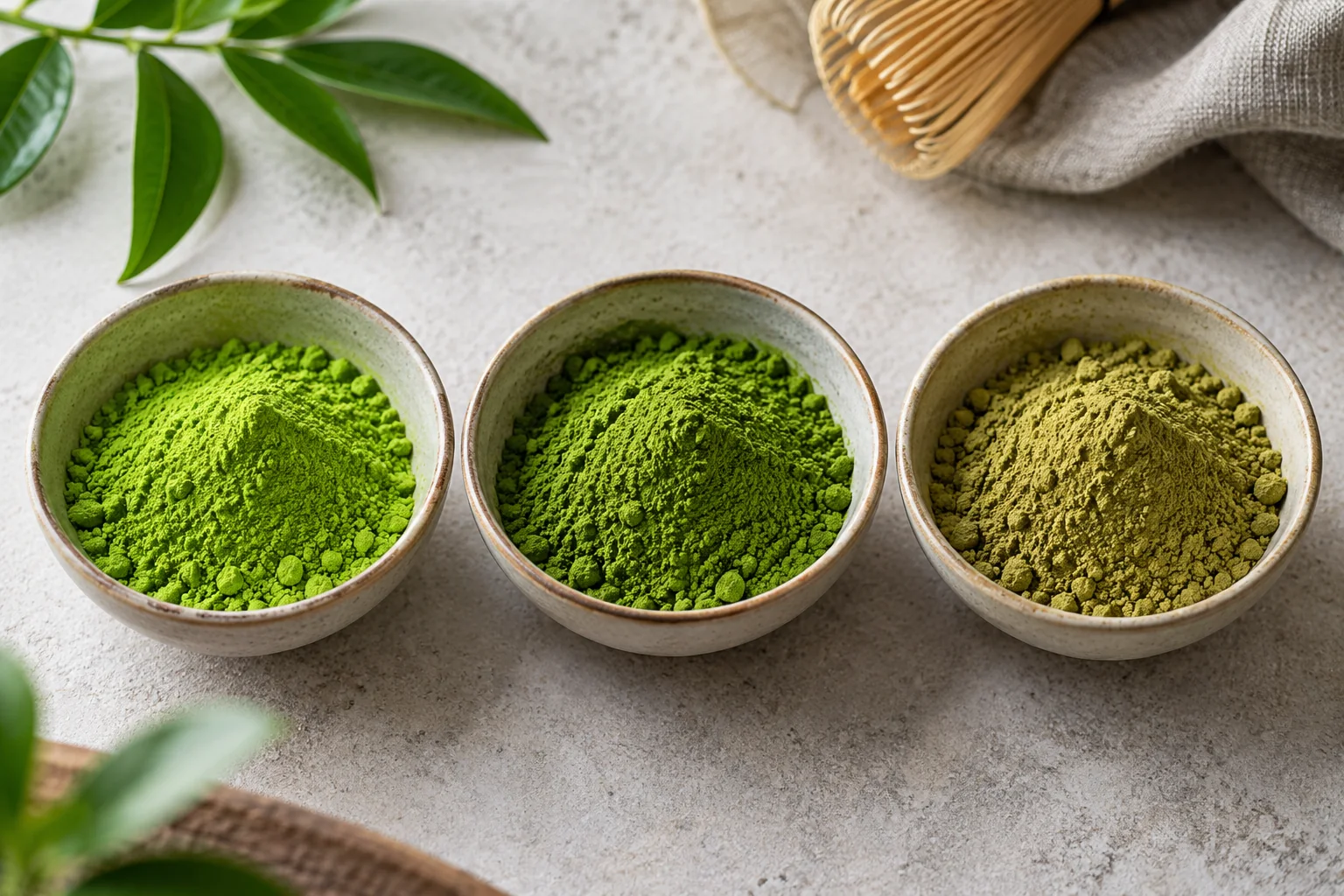
H3: Ceremonial Grade: The Pinnacle of Vibrancy
When a buyer is sourcing for a retail tea brand or a high-end tea service, visual appeal is paramount. This is where the brightest, most vibrant green reigns supreme.
- Shading and Harvest: Ceremonial grade matcha is made from the youngest, most tender tea leaves (tencha) from the first harvest of the year (Ichibancha). These plants are shaded for 3-4 weeks before harvest, which forces the plant to overproduce chlorophyll and the amino acid L-theanine. This process is directly responsible for the intense green color and the signature sweet, umami flavor.
- Flavor Profile: The high L-theanine content creates a smooth, naturally sweet, and savory (umami) flavor3 with almost no bitterness. This delicate profile is best appreciated when the matcha is whisked with hot water and consumed pure.
- Application: Use this grade for traditional tea ceremonies, selling as a premium pure matcha powder, or serving in a professional tea house. Using it for anything else is often a waste of its subtle character and high cost.
H3: Premium (Latte) Grade: The Balance of Color and Cost
For most cafes, coffee shops, and beverage brands, ceremonial grade is overkill. You need a matcha that not only tastes great with milk and sweeteners but also creates a visually stunning latte. This is the domain of premium grade, sometimes called barista or latte grade.
This grade offers a fantastic balance. It boasts a bright, appealing green color that holds its own when mixed with milk, ensuring your lattes don't look murky or brownish. The flavor is more robust and slightly less delicate than a ceremonial grade, which is a benefit—it has the strength to cut through the richness of milk without being completely overpowered. From my experience helping cafe owners select their primary matcha, this grade consistently provides the best return on investment for beverage applications.
H3: Culinary Grade: Function Over Form
When it comes to baking and food manufacturing, the priorities shift dramatically. Here, the initial vibrancy of the dry powder is less important than its performance under stress—namely, heat, fats, and other ingredients.
- Color Stability: The primary concern for a food manufacturer is color stability. Will the matcha stay green after being baked into a cookie at 350°F (175°C)? Culinary grade is often selected specifically for this property.
- Flavor Profile: This grade is typically made from later harvest leaves (second or third), which have more sun exposure. This develops more catechins, resulting in a stronger, more astringent, and bolder flavor. While this might be too bitter for pure tea, it's perfect for baking, as the boldness stands up to sugar, flour, and butter.
- Cost-Effectiveness: For commercial food production where matcha is used in bulk, culinary grade provides the necessary flavor and color performance at a much more accessible price point, making it the only logical choice.
How Should You Evaluate Matcha Color for Lattes and Drinks?
You’ve sourced a beautiful, vibrant green matcha powder for your cafe. You’re excited. But when your barista prepares the first matcha latte, the color becomes a disappointing, murky brownish-green, and customers aren't impressed. The secret to avoiding this is to evaluate how the matcha color performs after being mixed, not just when it’s dry.
For lattes and mixed drinks, you must evaluate the matcha color by preparing a test batch with your standard milk, whether dairy or plant-based. The ideal color is a rich, appealing green that doesn't look dull or muddy after dilution. This performance is the true sign of a high-quality "barista" or premium grade designed specifically for this purpose.
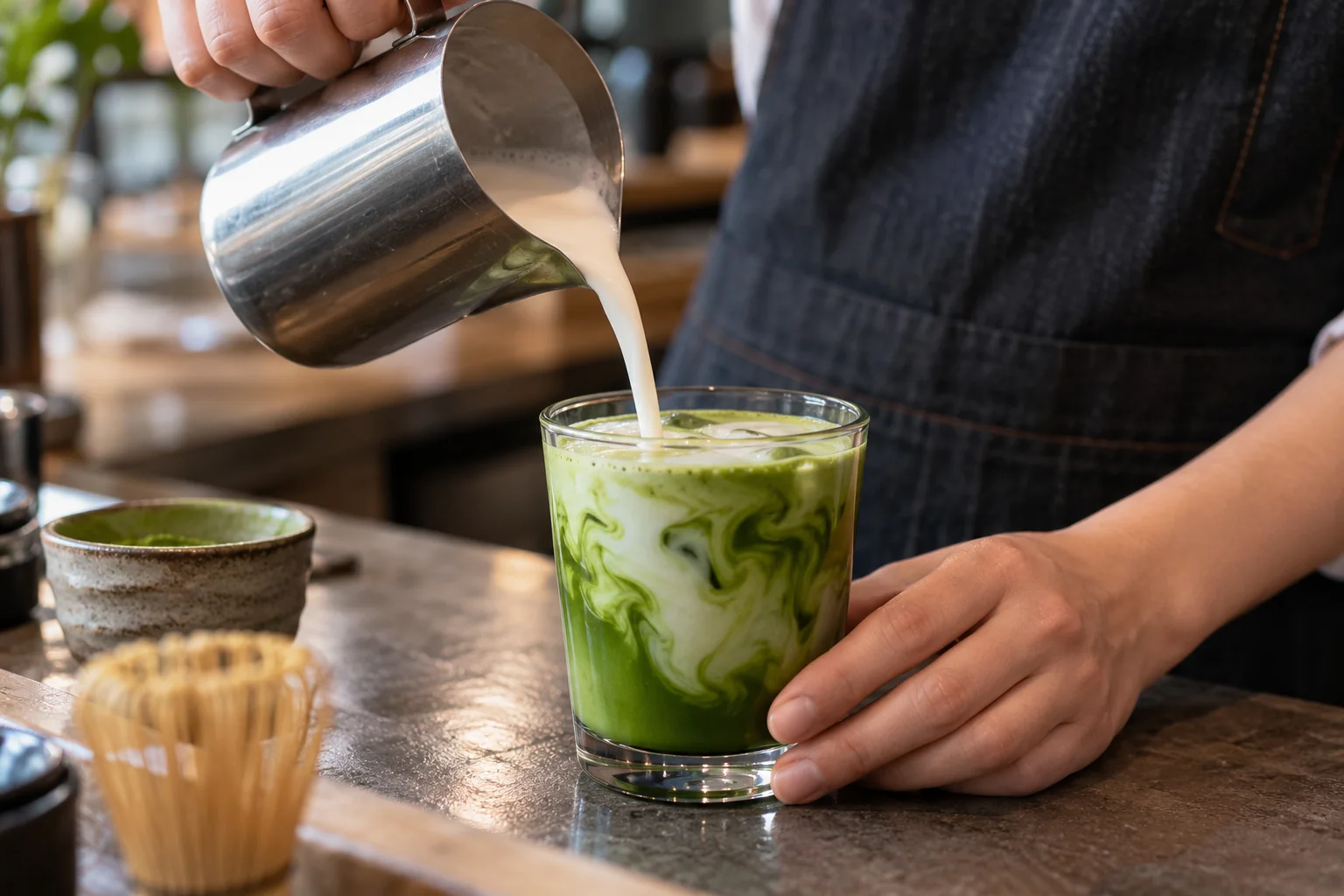
In my role as a supplier, one of the most common requests I get from cafe owners is for our "greenest matcha." While I understand the intent, I always guide them back to one crucial step: testing samples in their actual latte recipe. A photo of a powder can be misleading; the proof is in the cup.
When you're testing, here's what to look for:
- Color Performance in Milk: How does the green hue change when it hits the milk? A good latte-grade matcha will create a creamy, inviting green. A lower-quality powder or one not suited for this application (like some ceremonial grades) can oxidize or react with the fats and proteins in milk, resulting in a less appealing brownish or olive tone.
- Suspension and Texture: Pay attention to the bottom of the glass. A finely milled matcha will suspend well in the liquid, creating a uniform color and smooth mouthfeel. Coarser powders will settle quickly, leaving a layer of sediment and an inconsistent appearance.
- Flavor That Balances: Taste the final latte. Does the matcha flavor come through, or is it completely lost behind the milk and sugar? The ideal premium grade has enough character to be present and enjoyable without the overwhelming astringency of a lower-end culinary powder.
To make this clearer, here is how the grades typically perform in a latte:
| Feature | Ceremonial Grade | Premium / Latte Grade | Culinary Grade |
|---|---|---|---|
| Dry Powder Color | Electric, vibrant green | Bright, deep green | Muted, olive/yellow-green |
| Color in Latte | Can look muted; not designed for this | Rich, vibrant green | Can look dull or brownish |
| Flavor in Latte | Delicate, often lost | Balanced, robust, slightly sweet | Strong, can be too astringent |
| Cost-Effectiveness | Low (too expensive for the application) | High (best balance of cost & performance) | Medium (low cost but poor performance) |
Ultimately, your goal is to find the matcha that delivers the best sensory experience for your customers in the final product. For drinks, that means prioritizing color performance in liquid and a balanced flavor over just the vibrancy of the dry powder.
Why Does Matcha Color Matter in Baking and Food Production?
You’ve spent weeks perfecting a matcha cookie recipe, excited to add it to your bakery’s menu. But when the first batch comes out of the oven, the beautiful green batter has turned into a sad, brownish-yellow cookie, losing all of its visual appeal. For baked goods and food production, the most critical factor isn't the initial vibrancy but the matcha color's stability under heat.
In baking and food manufacturing, matcha color is crucial for the final product's appeal, but heat stability is the number one priority. A high-quality culinary grade matcha is chosen for its ability to retain an attractive green hue after being exposed to high temperatures, fats, and leavening agents, ensuring the final product looks as good as it tastes.
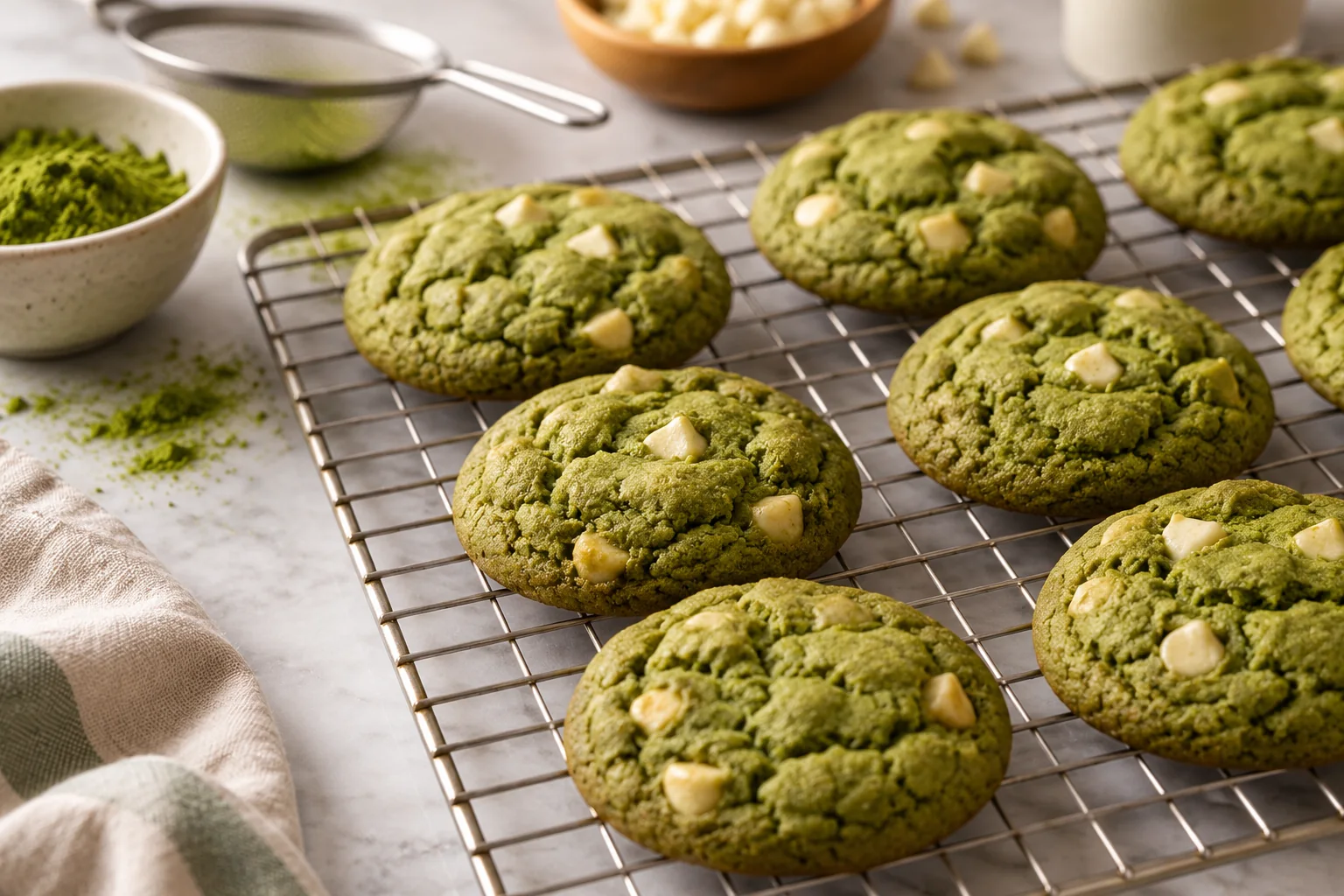
I once worked with a chocolatier who was frustrated that his expensive ceremonial matcha was turning brown in his white chocolate ganache. The delicate chlorophyll simply couldn't handle the heat and fat content. We had him test a robust culinary grade, which not only held its color beautifully but also cut his ingredient costs significantly. It was a perfect example of matching the grade to the application.
When sourcing for baking or food production, here are the technical aspects to focus on:
- Heat Stability: This is non-negotiable. Chlorophyll, the pigment that makes matcha green, degrades with heat. Culinary matcha, derived from hardier, sun-exposed leaves, tends to have pigments that are more resilient. The only way to be sure is to request a sample from your supplier and run a test bake with your own recipe.
- Particle Size (Fineness): A finely milled powder is essential for smooth incorporation4 into batters, doughs, and fillings. A coarser grind will result in unpleasant speckling and a gritty texture, creating an uneven color distribution in products like ice cream, frosting, or cakes.
- A Bold Flavor Profile: Unlike a delicate tea, baked goods are full of strong flavors like sugar, butter, flour, and vanilla. You need a matcha with a bold, assertive, and even slightly astringent flavor profile5 that can punch through these other ingredients. The subtle umami of a ceremonial grade would be completely lost and wasted.
- Bulk Cost-Effectiveness: Food manufacturers use ingredients in large quantities. The price-per-kilo is a major factor in the final product's profitability. Culinary grade delivers the required color stability and flavor intensity at a price point that makes large-scale production feasible.
Before committing to a large order, always conduct a pilot run. See how the matcha performs in your kitchen or facility, under your exact processing conditions. This de-risks your purchase and ensures the final product meets your quality standards.
Frequently Asked Questions
Does a brighter green matcha always taste better?
Not necessarily. A brighter green color usually indicates higher levels of L-theanine, which results in the sweeter, more umami flavor characteristic of ceremonial grade. However, "better" is subjective and depends on the application. For a latte or dessert, a slightly less vibrant but bolder-tasting matcha is often preferable to stand up to other ingredients.
Can I use ceremonial grade matcha for baking?
You can, but it is not recommended. Ceremonial grade is expensive, and its delicate, nuanced flavors will be completely lost when cooked or baked. Furthermore, its vibrant color is often less stable under heat than a good culinary grade, meaning you're paying a premium for benefits you won't see or taste in the final product.
Why does some matcha look yellow or brown?
A yellowish or brownish tint can indicate several things. It might simply be a culinary grade matcha made from later-harvest leaves, in which case the color is expected. However, it can also be a sign of poor quality, meaning the matcha is old, was stored improperly (exposed to light, heat, or air), or was made from inferior leaves.
How should I store matcha to preserve its color?
To best preserve its color and freshness, store matcha in an airtight, opaque container6 in a cool, dark place like a refrigerator. The three main enemies of matcha are oxygen, light, and heat. Proper storage minimizes exposure to these elements, preventing the degradation of chlorophyll and preserving the powder's vibrant color and delicate flavor.
Conclusion
The importance of matcha color goes far beyond the simplistic "greener is better" rule. For any B2B buyer, color should be treated as a crucial diagnostic tool that, when viewed in context, guides intelligent procurement decisions. The "right" green is entirely dependent on your end product. A vibrant, electric green is non-negotiable for pure tea. A robust, stable green that performs well in milk is the hero for lattes. And for baking, a heat-stable color with a bold flavor profile is what ensures success. By testing samples in your own recipes7, you can confidently choose the grade that perfectly balances quality, performance, and cost for your business.
If you are sourcing matcha for your brand, cafe, or food product, finding the right grade is the most critical step. Contact Lvyinbio today to discuss your specific application. We can help you select and test the ideal samples to find the perfect color and quality profile for your needs.
"Elevate Your Tea Brand with Ceremonial Grade Matcha", https://matchasourcing.com/ceremonial-grade-matcha/. Research on matcha grading confirms that vibrant green color is linked to high chlorophyll and L-theanine levels, which contribute to umami flavor. Evidence role: general_support; source type: research. Supports: Vibrant green matcha is often associated with ceremonial grade and umami flavor.. Scope note: Color alone may not fully determine umami richness without considering other factors like harvest and processing. ↩
"Effect of Shading on the Morphological, Physiological, and ...", https://pmc.ncbi.nlm.nih.gov/articles/PMC9696345/. Studies on tea cultivation show that shading tea plants before harvest boosts chlorophyll production, enhancing the green color of matcha. Evidence role: mechanism; source type: research. Supports: Shade-growing increases chlorophyll levels, contributing to matcha's vibrant green color.. Scope note: Other factors like leaf processing and storage also influence the final color. ↩
"Stress-Reducing Function of Matcha Green Tea in Animal ...", https://pmc.ncbi.nlm.nih.gov/articles/PMC6213777/. Research on tea chemistry indicates that L-theanine enhances umami and sweetness while reducing bitterness in matcha. Evidence role: mechanism; source type: research. Supports: L-theanine contributes to the umami and sweet flavor profile of matcha.. Scope note: Flavor perception can also be influenced by other compounds like catechins and individual taste preferences. ↩
"Tea Traceability: Knowing The Process Behind Our High ...", https://matchasourcing.com/tea-traceability-knowing-the-process-behind-our-high-quality-matcha/. Research on matcha processing highlights that fine particle size ensures even distribution and smooth texture in culinary applications. Evidence role: mechanism; source type: research. Supports: Fine milling improves matcha's incorporation into batters and doughs.. Scope note: The specific milling standard required may vary by recipe and application. ↩
"Best Matcha Grade for Latte, Bakery & RTD Products", https://matchasourcing.com/best-matcha-grade-for-latte-bakery-and-ready-to-drink-products/. Studies on culinary matcha suggest that a stronger flavor profile helps it stand out in recipes with rich ingredients. Evidence role: general_support; source type: research. Supports: A bold and astringent flavor profile is suitable for matcha used in baking.. Scope note: Flavor preferences may vary depending on the specific baked good and target audience. ↩
"Products - - Matcha Sourcing", https://matchasourcing.com/product/. Research on tea storage confirms that minimizing exposure to oxygen, light, and heat preserves matcha's quality. Evidence role: mechanism; source type: research. Supports: Proper storage in airtight, opaque containers helps preserve matcha's color and freshness.. Scope note: Storage recommendations may vary slightly depending on matcha grade and packaging. ↩
"The therapeutic potential of matcha tea: A critical review on ...", https://pmc.ncbi.nlm.nih.gov/articles/PMC9792400/. Industry guidelines recommend testing matcha in intended recipes to evaluate its performance and suitability. Evidence role: general_support; source type: research. Supports: Testing matcha samples in recipes helps determine the best grade for specific applications.. Scope note: The effectiveness of testing may depend on the consistency of recipe conditions and sample quality. ↩