
Recognizable tea character
Balance earthy, vegetal matcha notes with sugar, butter, chocolate and dairy without letting bitterness dominate.
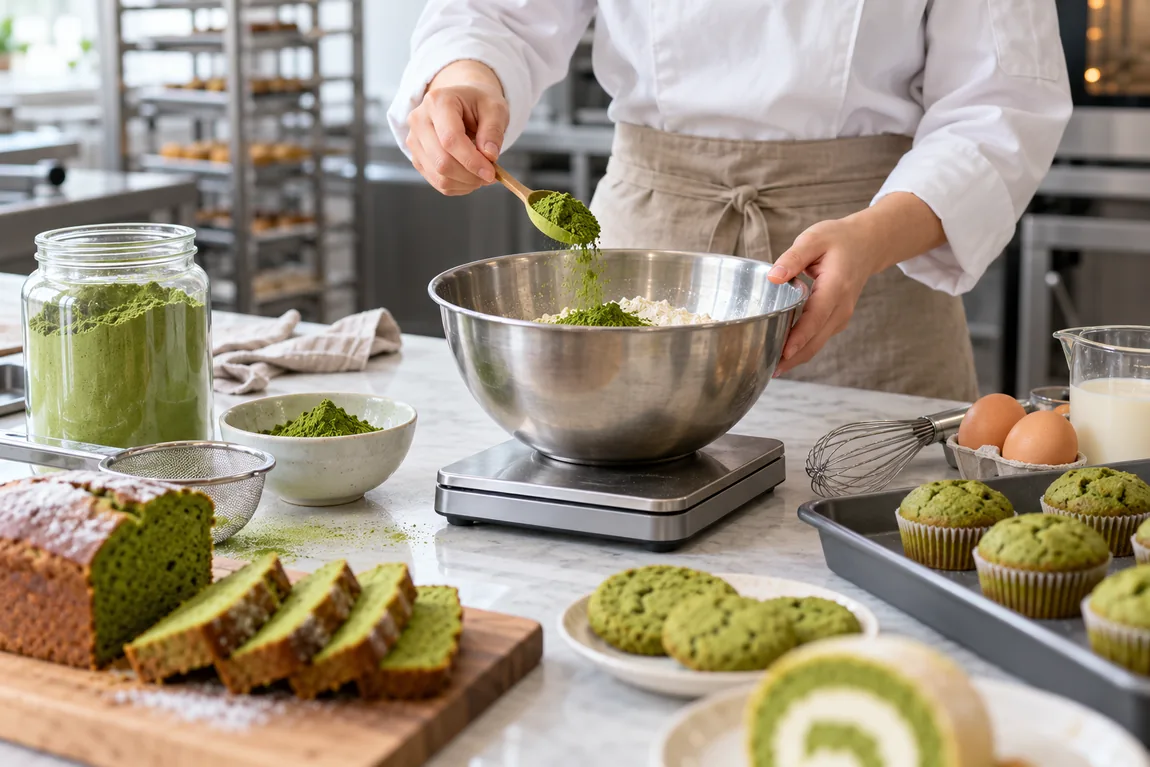
Bring recognizable green tea flavor and a distinctive natural green appearance to cakes, cookies, pastries and desserts. Lvyinbio helps commercial bakers compare Guizhou matcha grades, test real recipes and plan dependable bulk sourcing.
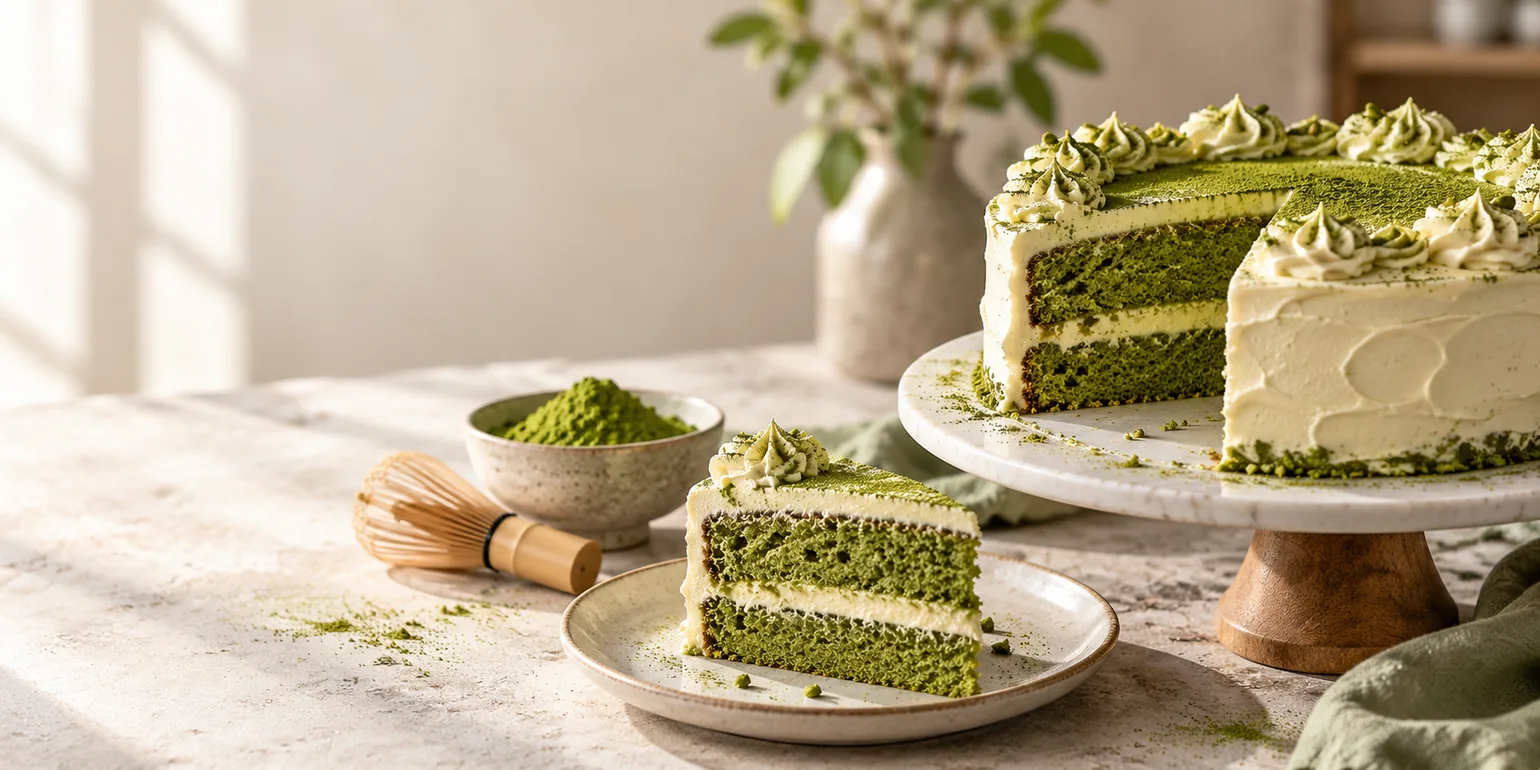
The best matcha for baking is the powder that performs in your dough, oven, filling and shelf-life conditions—not automatically the most expensive grade.
Balance earthy, vegetal matcha notes with sugar, butter, chocolate and dairy without letting bitterness dominate.
Compare powder color with the finished crumb; oven conditions and recipe chemistry change the shade.
Sift with dry ingredients or prepare a smooth dispersion, depending on the product and production method.
Move from sample trials to bulk packaging, routine specifications and repeat purchase schedules.
Different products expose matcha to different amounts of heat, mixing and moisture. Choose the formula and grade as one system.
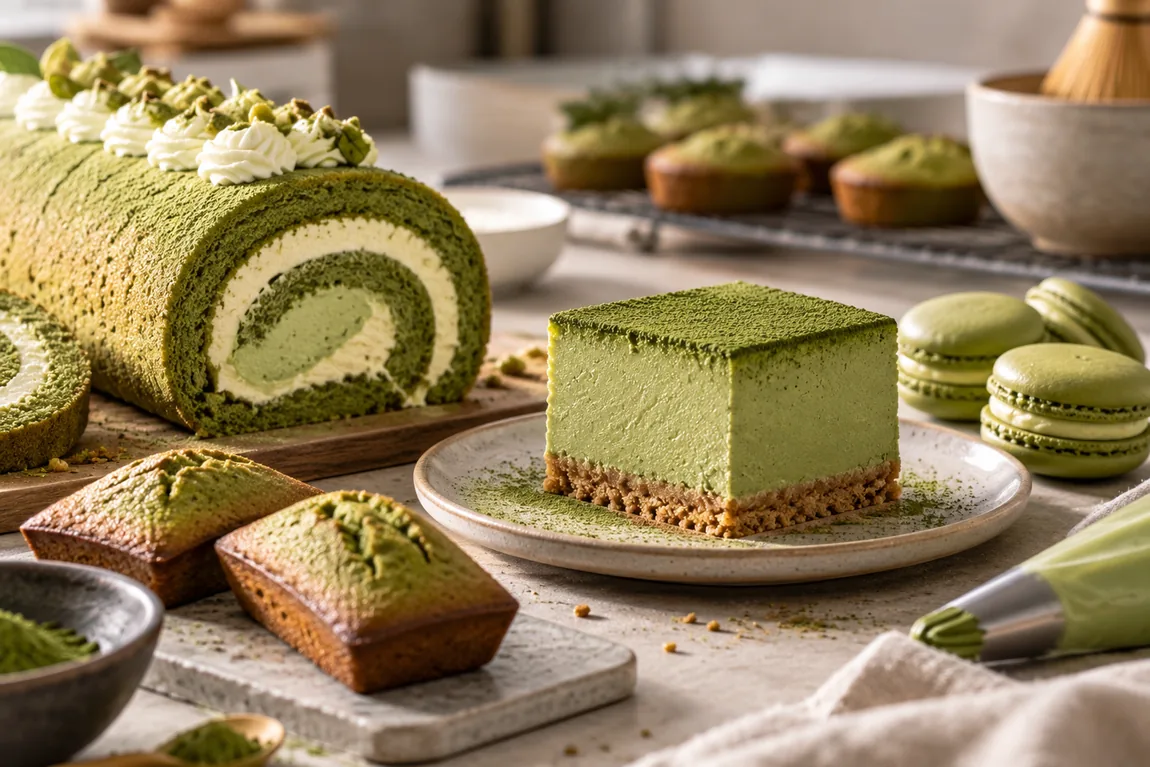
Evaluate cake crumb color and tea flavor separately from frostings and no-bake fillings. Roll cakes and cream layers can use different matcha grades.
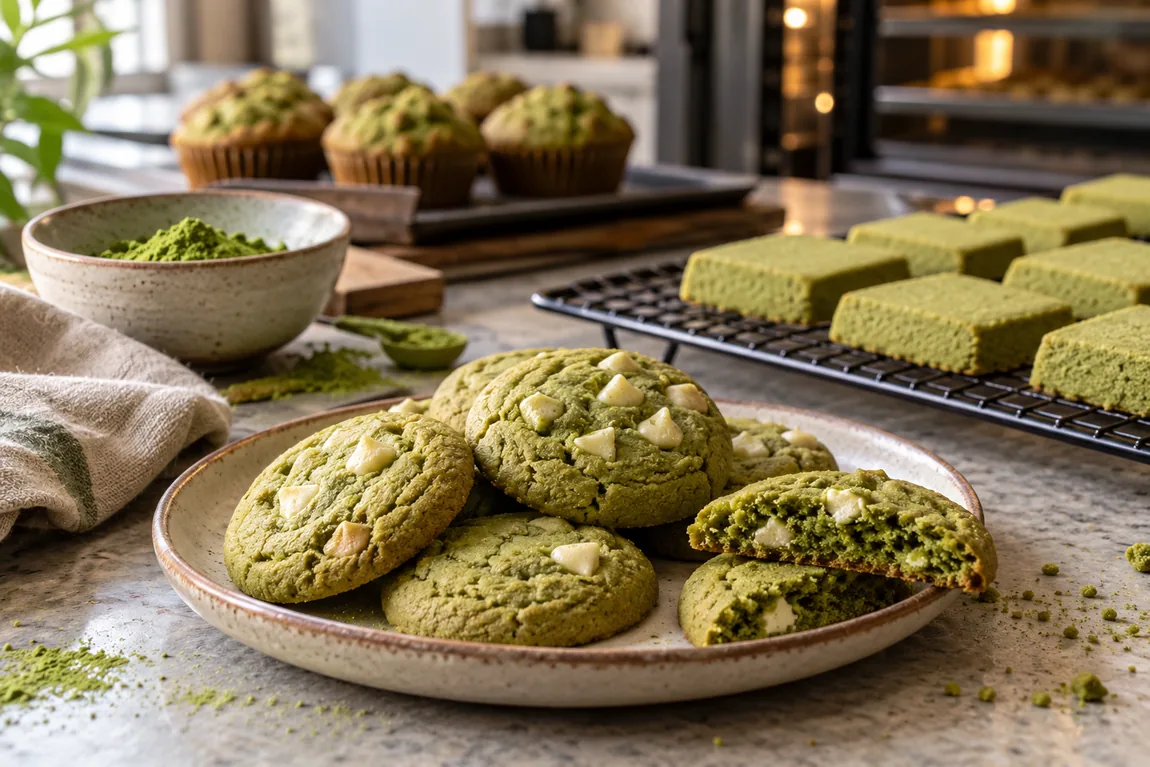
Matcha must remain noticeable after butter, sweetness and browning. Run tasting panels across different doses after the cookies fully cool.
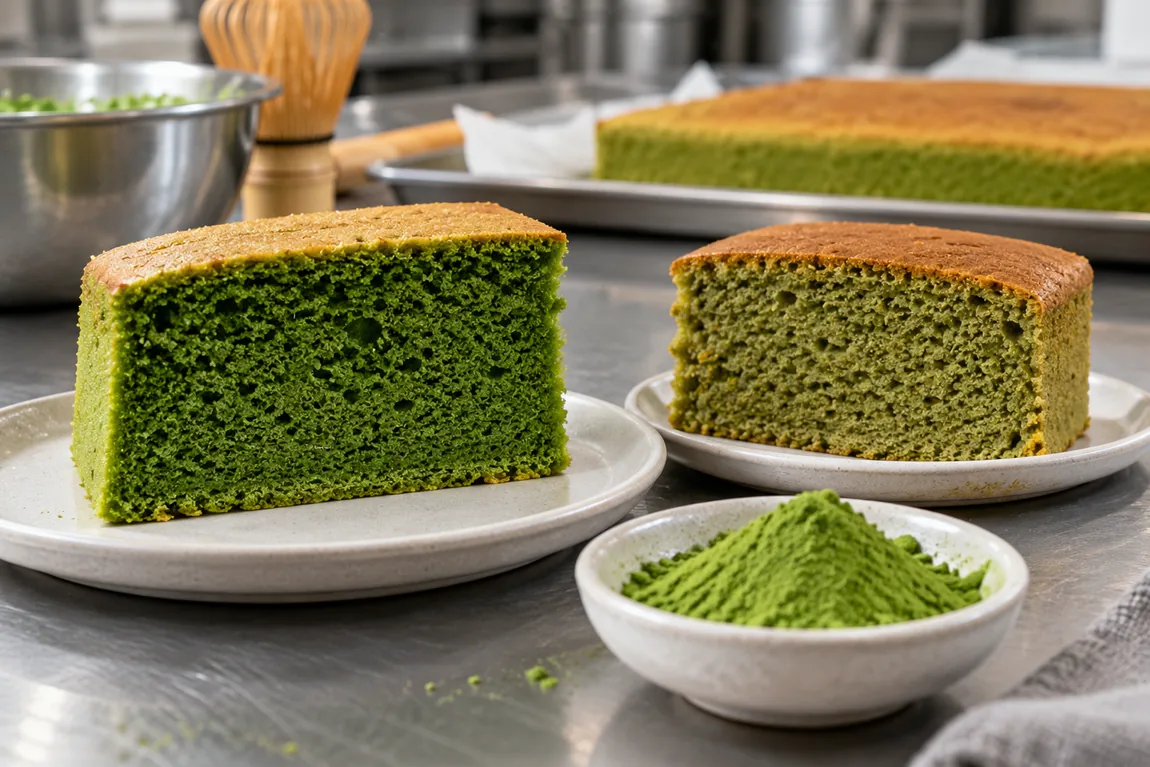
Longer baking, proofing and ingredient interactions need closer evaluation. Focus on repeatable color, batch weight and practical cost per finished piece.
A beverage-first powder may taste excellent in water yet offer poor value in a buttery sponge. Test application-focused culinary and baking grades on flavor, color and ingredient cost.
Application-led option for cookies, cakes and bakery premixes where tea impact and ingredient economics both matter.
Useful for versatile bakery and food production formulas, from cake batter to sauces and dessert mixes.
Consider for whipped creams, glazes, mousses or other visible no-bake components that better preserve delicate flavor.
Use flour-weight percentages only as an initial screening framework. The correct dosage depends on your recipe, water activity, desired tea intensity and processing.
| Application | Initial test range | What to check in the finished food | Technical note |
|---|---|---|---|
| Sponge cakes & loaf cakes | 1–3% of flour weight | Crumb green, bitterness, volume and moisture | Consider shorter bake / lower heat only when product quality allows. |
| Cookies & shortbread | 1–3% of flour weight | Tea intensity, crust browning, sweetness balance | Butter and sugar can mask subtle matcha. |
| Buns, breads & pastries | 1–3% of flour weight | Flavor after longer baking, dough handling | Assess yeast and fermentation impact in your process. |
| Baking mixes & dry premixes | 1–3% of flour weight | Blend homogeneity, color variation, clumps | Ensure blending and label requirements fit target market. |
| Frosting, mousse & glaze | Recipe-specific — not flour-based | Color, smoothness, flavor and storage appearance | Use trials per kg of finished cream or glaze instead. |
Illustrative R&D starting ranges for comparison, not certified Lvyinbio specifications, approved recipes, or guarantees. Percentages are based on flour weight, not total batter weight.
Enter flour per batch, the percentage you want to test and planned batches per month.
Matcha's green pigments can change during heating, and ordinary crust browning can mask the green further. Even a vivid raw batter can leave the oven with an olive-toned crust or crumb.
Use a repeatable, side-by-side test instead of choosing your matcha based on the packet's color alone.
Specify cake, cookie, bread, premix or filling; include fat, sugar, portion size and oven profile.
Test a few practical concentrations against one control recipe and record the exact batch formula.
Evaluate color, aroma, flavor, texture and appearance after cooling or expected storage.
Keep a reference sample and ask for consistent specification and purchasing documentation.
Matcha batch, flour weight, dosage, baking time, internal temp, visual color, blind taste result and final piece cost.
Process repeatability, allergen management, shelf-life study, packaging integrity and documentation appropriate to your market.
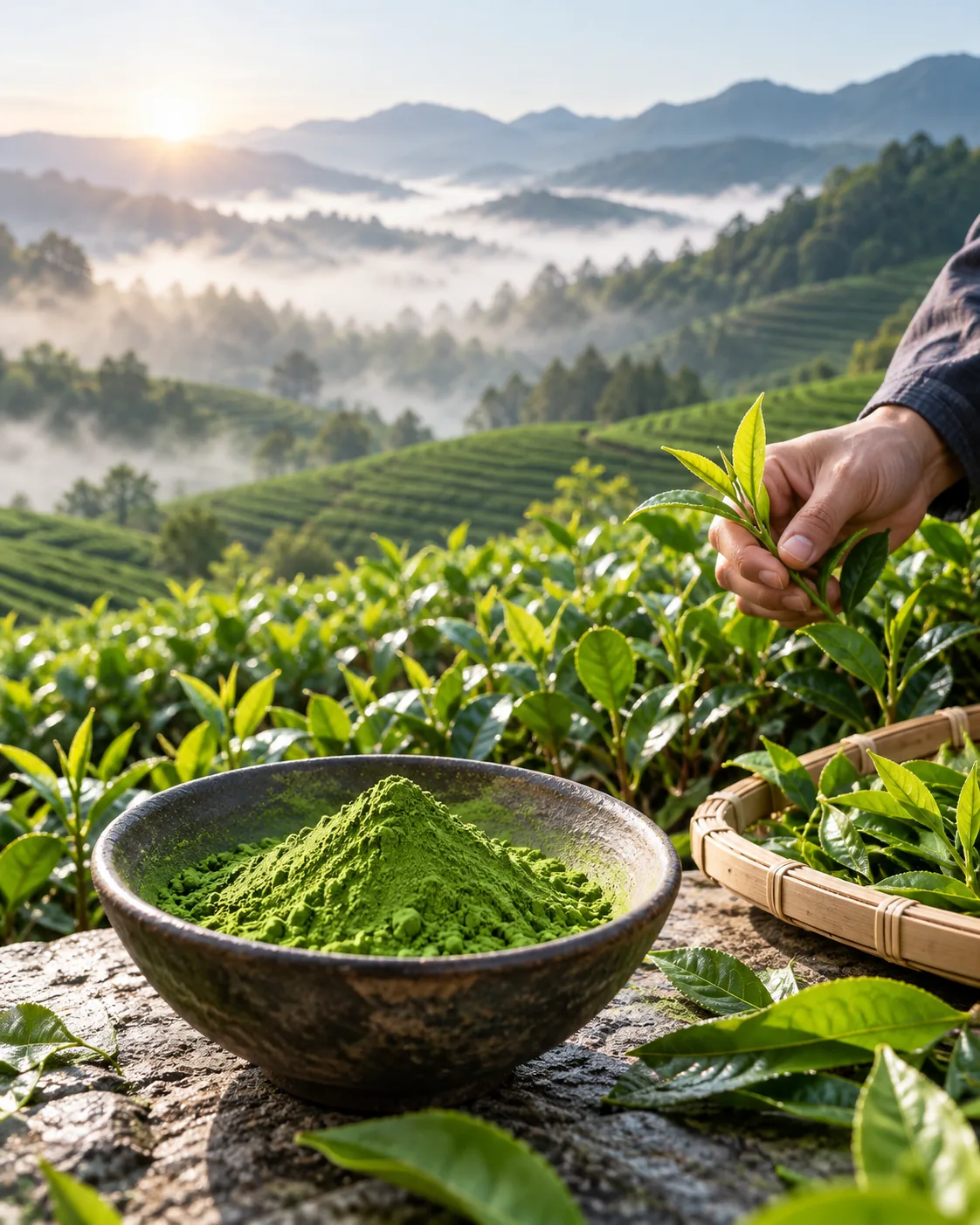
Our China-based B2B supply model supports matcha evaluation, custom blending, OEM / ODM, commercial packaging and repeat-order planning for international food and beverage customers.
Application, recipe, monthly usage and target price.
Shortlist options and compare test samples.
Confirm the product in your production process.
Agree packaging, supply quantity and terms.
Coordinate QC and ongoing export delivery.
Answers for professional bakers comparing matcha powder for baking applications.
A baking or culinary grade is often a sensible starting point for cakes, biscuits and premixes. Assess the actual finished result—flavor, color, texture and cost per item—and compare a premium option for non-baked finishes when relevant.
A common first-screening range is roughly 1–3% of flour weight, but this is not a universal recipe. For 1 kg of flour, that represents 10–30 g of matcha. Test several points, record the result, and adjust for flour type, sugar, fat, product size and process.
Heat changes the green pigments, and surface browning adds brown tones. The effect depends on temperature, time, batter composition and ingredient pH. Evaluate the baked crumb as well as crust, and consider an unbaked matcha topping where vivid green is important.
Yes. These applications require different mixing, heat and storage validation. Sift or pre-blend carefully to prevent spots and lumps, and confirm your target flavor and appearance at normal production scale.
Not necessarily. Delicate premium notes may be less apparent after heating or when mixed with sweet and fatty ingredients. Consider a suitable culinary or baking grade for the baked portion, then evaluate premium powder in frosting or unbaked decoration if it adds value.
Keep it sealed, dry, away from direct light, heat and strong odors, following the agreed product storage instructions. If storing chilled, avoid condensation when opening. Rotate stock based on your actual ingredient turnover and shelf-life controls.
Yes. Lvyinbio's stated services include custom blending, sample testing, private labeling and commercial bulk bags. Please confirm available grade, MOQ, pack size, labeling and terms for your specific project in the quotation.
Yes—share the baked product, target market, estimated usage and any color or flavor benchmarks you need. Our team can discuss suitable sample options before you approve a commercial grade and production order.
Tell us what you are making, your target market and your expected monthly matcha usage. We can help you plan sample comparison, grade matching and a commercial supply quotation.
Contact: sales@lvyinbio.com · WhatsApp +86 13985166843
Include the planned flour quantity and target dosage for a faster grade discussion.